Pioneer Chemist Eleanor Hill Venning Transformed Hormone Research
Making Space in Science: Eleanor Hill Venning

With International Women’s Day recently marked on March 8, we take this opportunity to highlight a pioneer from our department’s history: Eleanor Hill Venning, a Montreal-born chemist whose work changed how we understand hormones and their role in health and pregnancy. In the 1930s, Venning developed new ways to measure hormone byproducts in urine, making it possible for scientists and clinicians to study reproductive biology with a precision that had not existed before. Eleanor Hill Venning (1933) and Elizabeth Rhoda Grant (1932) were the first medical scientists to be awarded PhDs in Experimental Medicine at McGill University. Venning later became one of only two women at the time to reach the rank of full professor in the Faculty of Medicine. When she retired in 1968, she became the first woman PhD medical researcher in the Faculty’s history to be named Professor Emerita. Venning helped make space for women in science at a time when that space was limited. Today, our department strives to support women physicians and scientists so that space can continue to grow. A belated happy International Women’s Day to the many women in our community who continue to shape medicine every day. Read the full article →
Eleanor Hill Venning, a Montreal-born chemist, revolutionized reproductive biology in the 1930s by developing innovative methods to measure hormone byproducts in urine. As one of the first women to earn a PhD in Experimental Medicine at McGill University, she became only the second woman to achieve full professor rank in the Faculty of Medicine. Her groundbreaking work established new standards for studying hormones and their health impacts.
Original Article
Read full article on McGill UniversityExplore More
Related News

Local science students invited to National Competition
paNOW · 2026.04.05
Galactic Explosions and Lunar Expeditions: A New Era in Space Science | Science-Environment
Devdiscourse · 2026.04.05
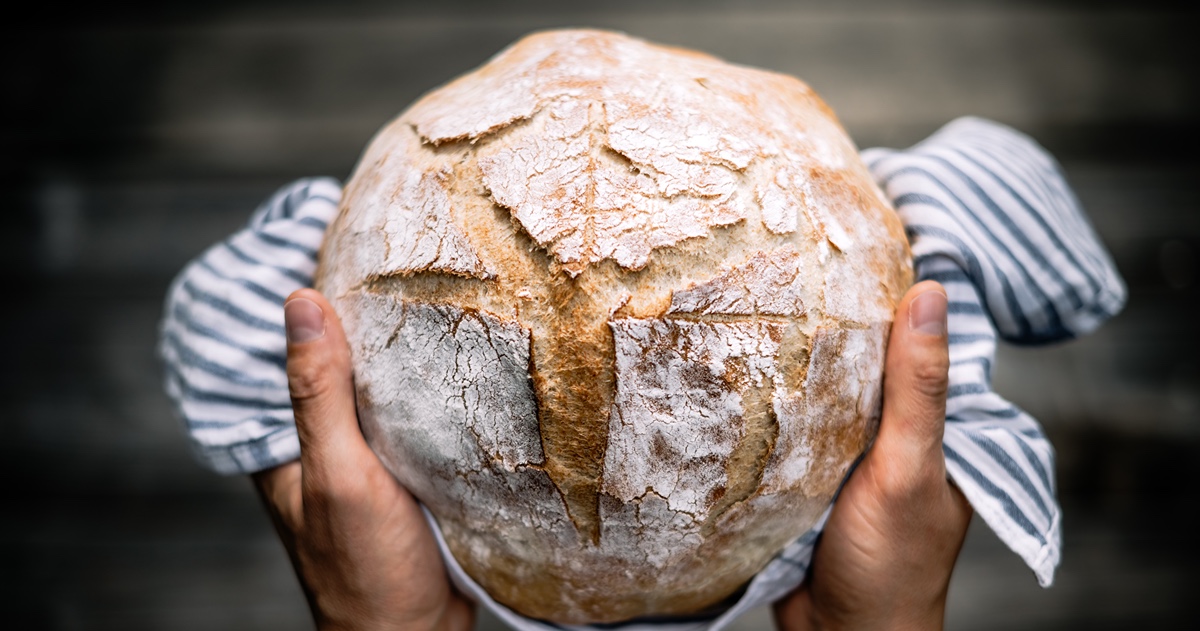
The science behind sourdough
2026.04.05

Beijing district launches science education academy
China.org.cn - China news, business, travel & language courses · 2026.04.05

JSU launches Bachelor of Science in Aviation
2026.04.05
Astronomical Explosions to Lunar Milestones | Science-Environment
Devdiscourse · 2026.04.04